Show it before it’s ready: why limits and rough work win
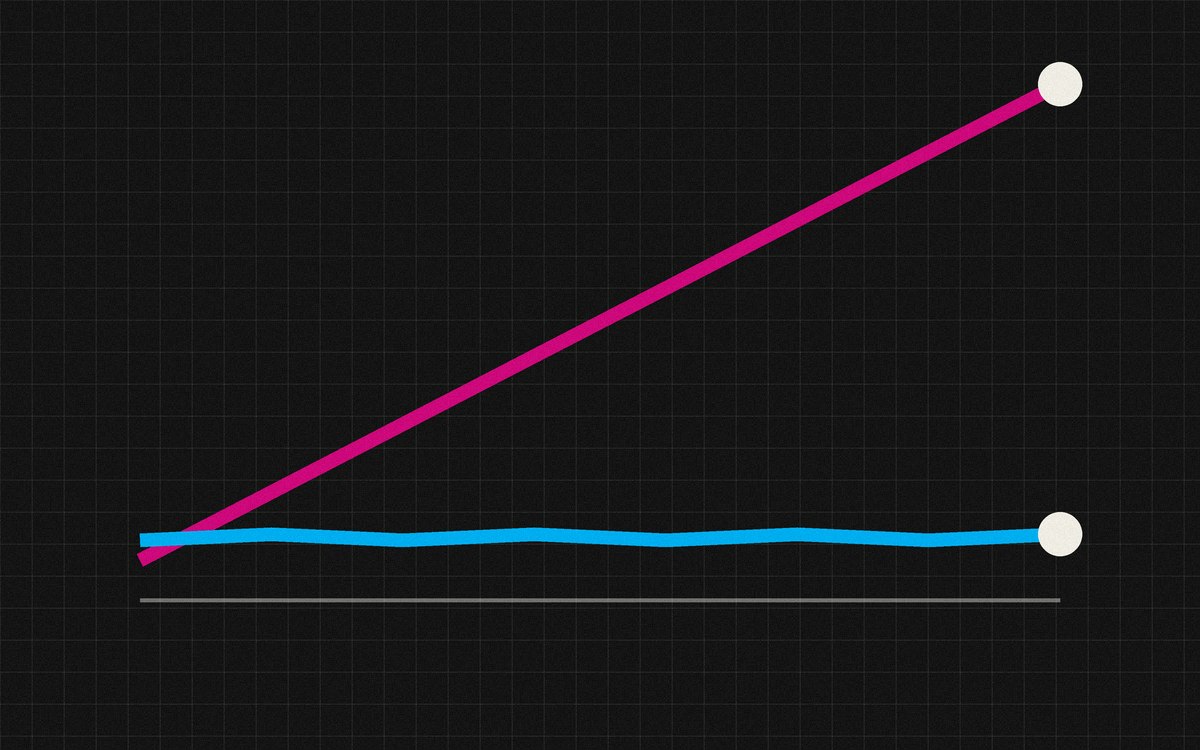
Total freedom and endless polish feel like the route to good ideas. In practice, clear limits and early, rough versions get teams further, faster.
We tend to think good ideas come from freedom: open briefs, long timelines, big budgets. Experience says otherwise. The best ideas often come from working within clear limits.
Creativity does not need more freedom. It needs better focus.
Limits create focus
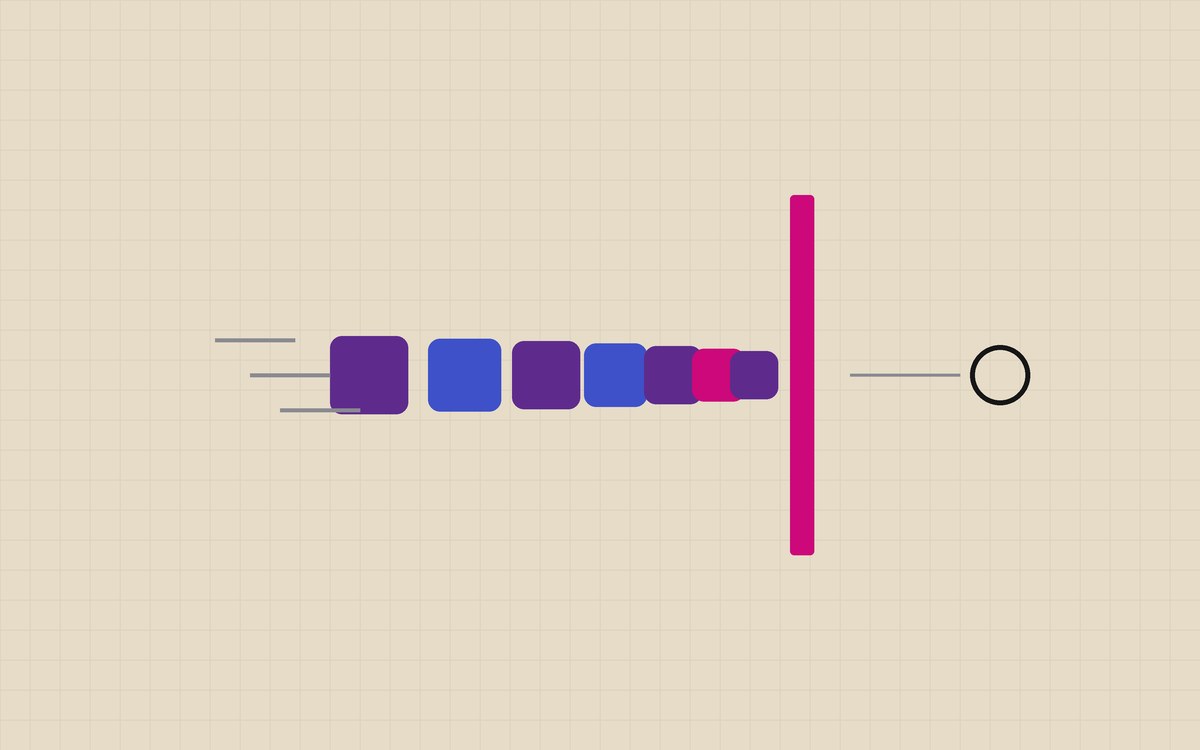
A tight time box, one problem and one decision to make: these are the limits that turn a vague ambition into something a team can act on. They remove the pressure to juggle several threads at once and push everything towards one clear outcome.
It is a big part of why design sprints work. The constraint is not a side effect of the format. It is the format. We explored this in more depth in How high-performing teams use constraint as a creative tool.
The best ideas often start ugly
One of the biggest blockers to progress is waiting for an idea to be ready before showing it to anyone. Teams refine and polish in isolation, hoping the perfect answer will appear before anyone sees it. Perfection is a trap, and an expensive one.
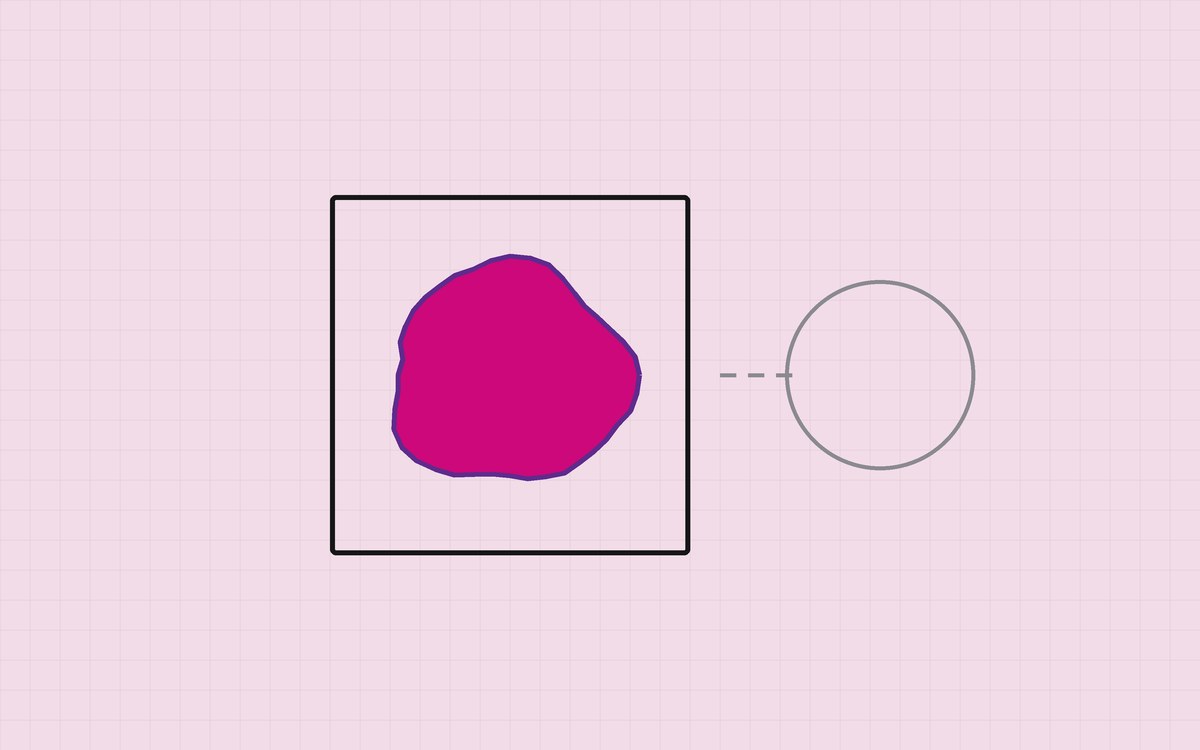
Your first version will not be your last. That is not failure. It is the point. A rough prototype shown early gets you fast, honest feedback: what lands, what confuses, and what does not matter at all. You learn what to double down on and what to drop, without spending months building something nobody needs.
- Progress over polish.
- Feedback over assumptions.
- Speed over certainty.
Many minds, one process
Nobody knows everything. Teams that think differently, together, see more of the problem and miss fewer blind spots. The catch is that most meetings reward the loudest voice, not the best idea.
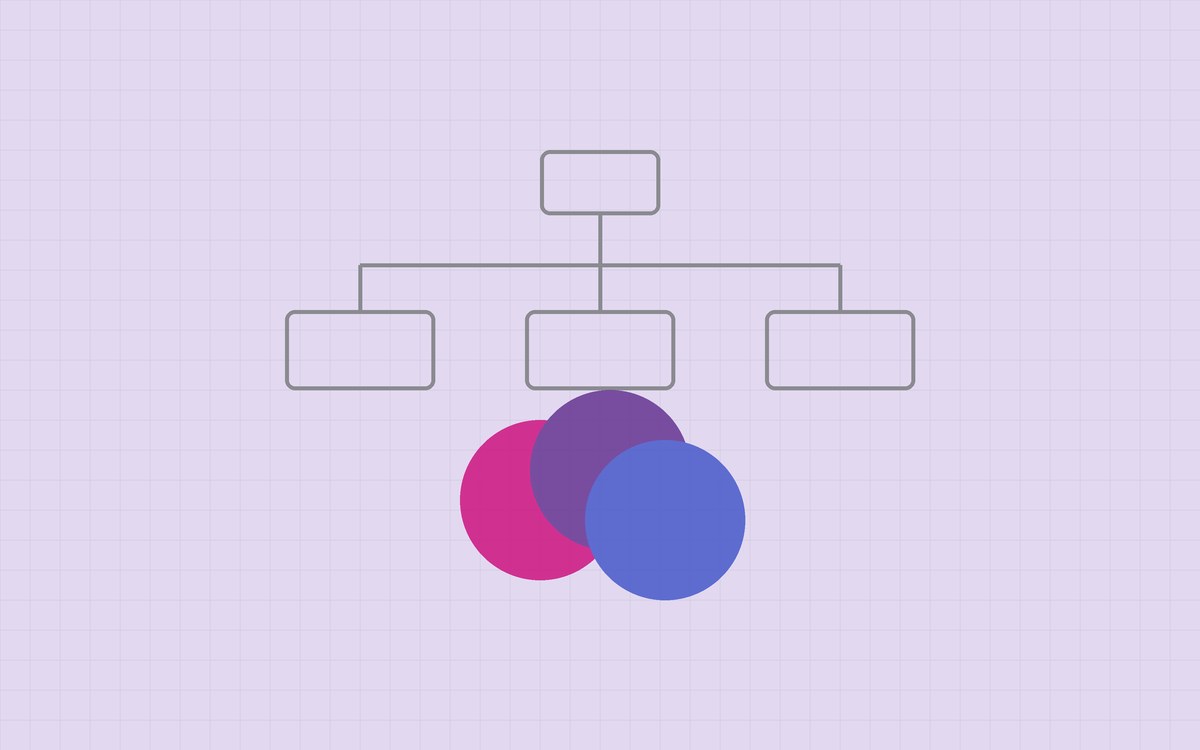
The fix is in the structure. Working alone first, then sharing, then voting gives every perspective a fair hearing before the group converges. Bring people from across functions into the room. That is where the most useful ideas tend to come from. More on this in Nobody knows everything.
It gets easier with practice
The first time a team works this way, it can feel chaotic. People hesitate to decide, or want to polish before they share. That is normal. Working like this is a skill, and like any skill it improves with practice. Each round, teams decide faster and argue better.
Try this on your next project
- Give it one problem and a fixed deadline.
- Show something rough to a real customer early, before it feels ready.
- Have everyone think alone before anyone discusses.