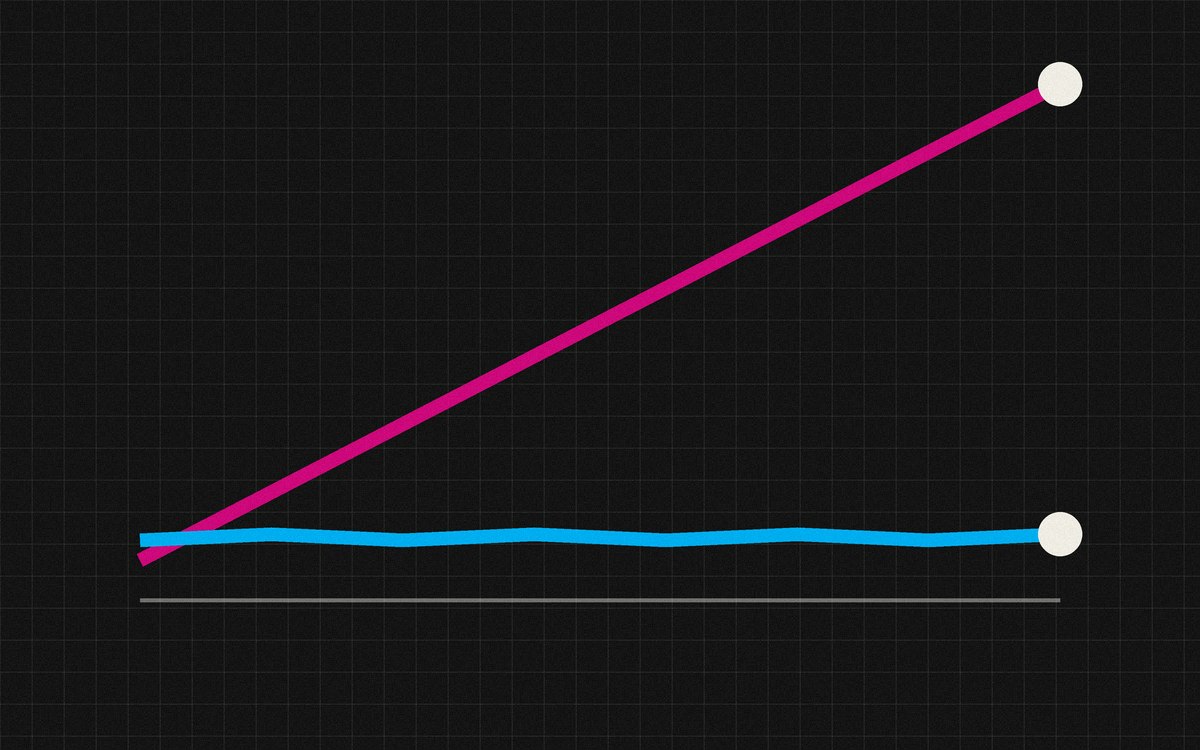
AI sped up the making. The deciding is still slow
Drafts take an hour and prototypes take a morning. Then the work waits weeks for the right people to agree. Where the time goes now, and what to do about it.
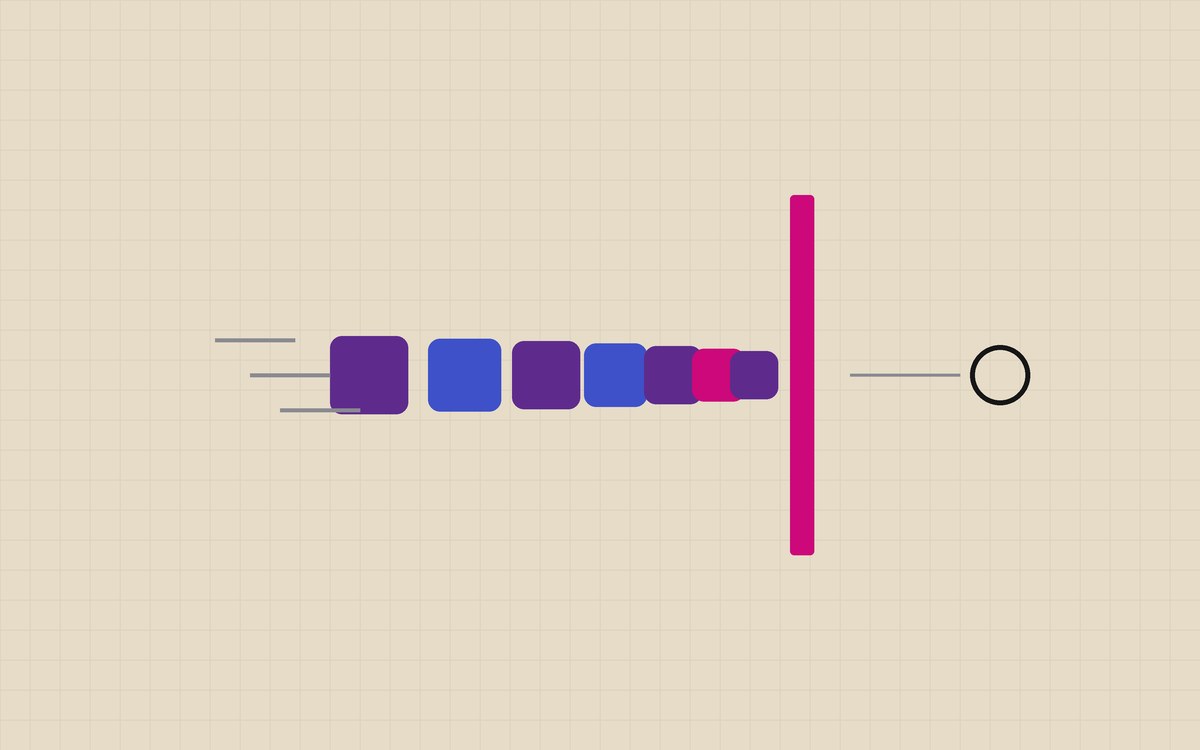
Ask anyone in your organisation whether AI has made them faster and most will say yes. A first draft that took a day now takes an hour. Research that took a fortnight takes an afternoon. A prototype can be on screen by lunchtime.
Now ask how long the last important decision took. In a lot of teams, the same three decisions have been open since spring. They sit in a queue, behind four stakeholders, waiting on a meeting that keeps moving.
That is the trade nobody agreed to. AI compressed the making of things and left the deciding exactly where it was.
The wait was always there. Now you can see it
The slow part of most organisations was never the work itself. It was the gap between the work being ready and someone agreeing to act on it. When the work took weeks, that gap hid behind it. Nobody noticed a fortnight of waiting at the end of a month of making.
Now the making takes hours, and the wait is all that is left on the timeline. AI did not make your organisation slow. It made the slow parts impossible to ignore.
Most of the AI effort we have seen this year went into speeding up the making. Very little went into the deciding. That goes a long way to explaining why so many pilots stall. BCG reported that 82% of CEOs feel more optimistic about AI returns, yet only 6% of companies see meaningful value. Their explanation matches what we see in the room: most pilots automate an existing task instead of redesigning the process around it.
Faster work can mean more misalignment
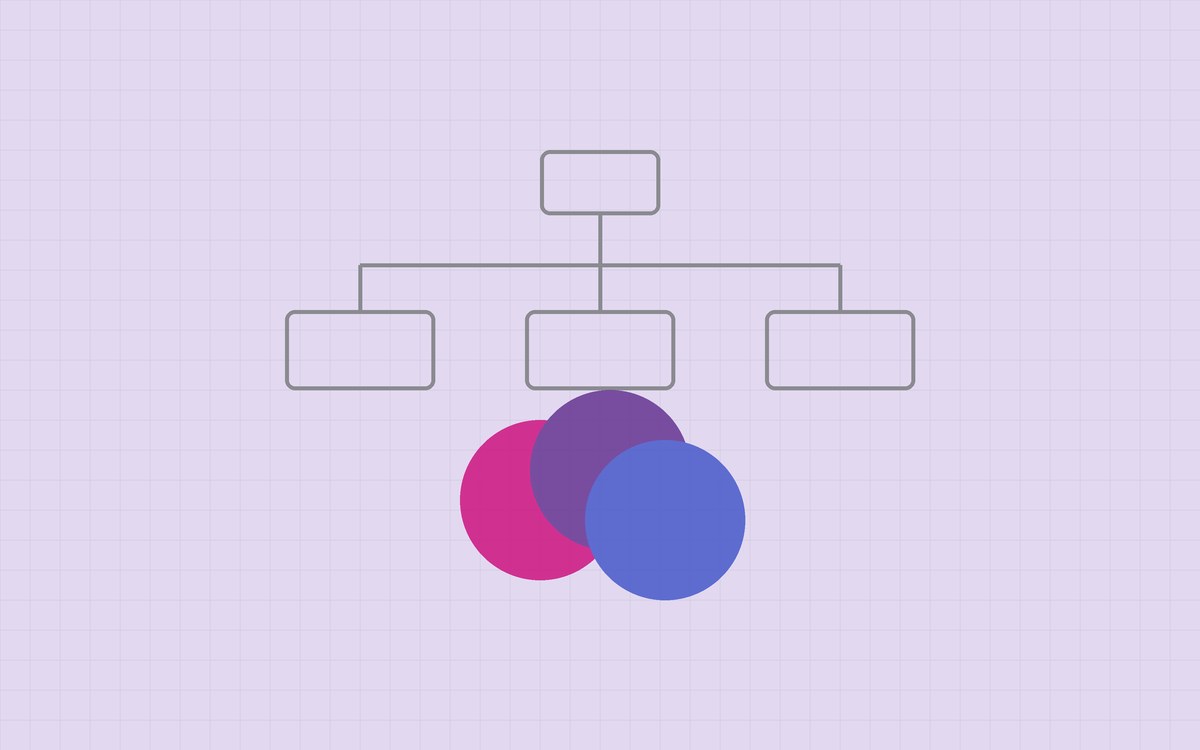
There is a second effect, and it is easier to miss. When ideas, decks and recommendations arrive faster than an organisation can absorb them, misalignment stops being an annoyance and starts to compound. A strategy deck built overnight can look sharp and be signed off within hours, without anyone checking whether the three teams it affects agree with it.
At the same time, the time people have to think is shrinking. Hubstaff’s 2026 benchmarks, reported by Benefit News, put the average worker at two to three hours of uninterrupted work a day, with meetings the main cause. No AI investment survives a working week that breaks concentration by design.
Speed was never going to be what sets you apart. Direction is.
Where to start
You do not need a transformation programme to find your slow part. You need one workflow and an honest afternoon. Three moves we use with clients:
- Find the stuck step. Take one workflow your team repeats every week and write down every step, including the Slack thread before the meeting and the rework after it. Circle the step where a decision sits waiting. Start there, not with the step that looks most automatable.
- Give every open decision a deputy. List the decisions that are still live and put two names against each: the owner, and the person who can make the call while the owner is away. Holidays and sick days stop being the reason things stall.
- Clear the recurring meetings. Cancel all of them for a month, then only put back the ones someone actively asks for. It is the cheapest audit of your calendar you will ever run, and the answer is usually uncomfortable.
None of these need a budget or a new tool. They do need someone with the authority to say yes, which is rather the point. If you want the bigger picture on why spend and results have drifted apart, read AI investment is rising. Adoption is not keeping up.
What we changed
This is the problem we have spent the past year working on, and HyperSprints are our answer: design sprints built for AI, ten times faster than a traditional design sprint. AI does the assembly. Your team decides what goes in, tests more concepts with more customers, and finishes with evidence and a clear call: build, change, retest or stop.
The point is not how quickly the prototype appears. It is that the decision happens in the same room, with the people who own it, before the work goes back into the queue.