Design teams didn’t shrink. They dissolved
Design writes its own copy. Marketing builds its own concepts. Engineering ships without waiting for either. Nobody did anything wrong, and that is the problem.
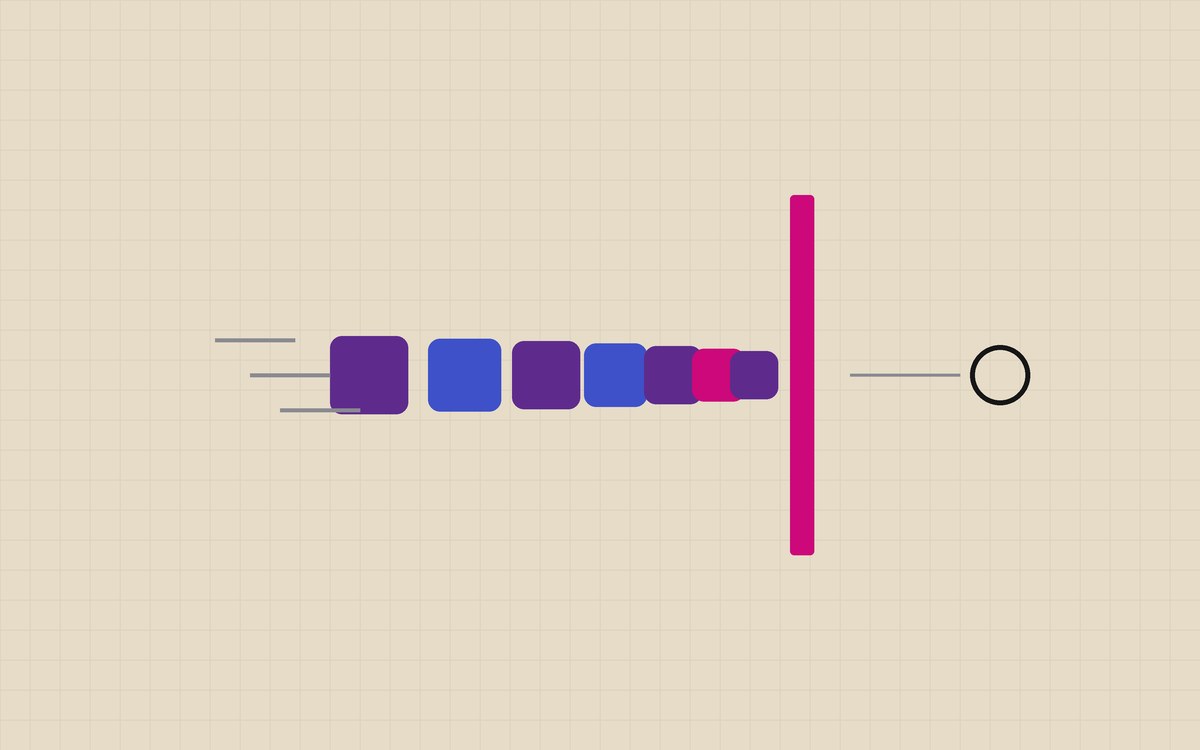
Here is a month that may sound familiar. Design generated its own copy. Marketing built its own concepts. Engineering shipped without waiting for either. Three teams, three AI habits, three versions of the same product idea, and not one person did anything wrong.
That is what makes it so hard to catch. Every individual call was faster than it used to be, and correct on its own terms. The damage only exists at the joins: the gap between what design thinks is being built and what is actually being built.
Nobody puts this on a risk register. It never shows up on a dashboard. It shows up months later, when the three versions finally have to meet.
Everyone got faster. Nobody got closer.
The story everyone tells is the wrong one
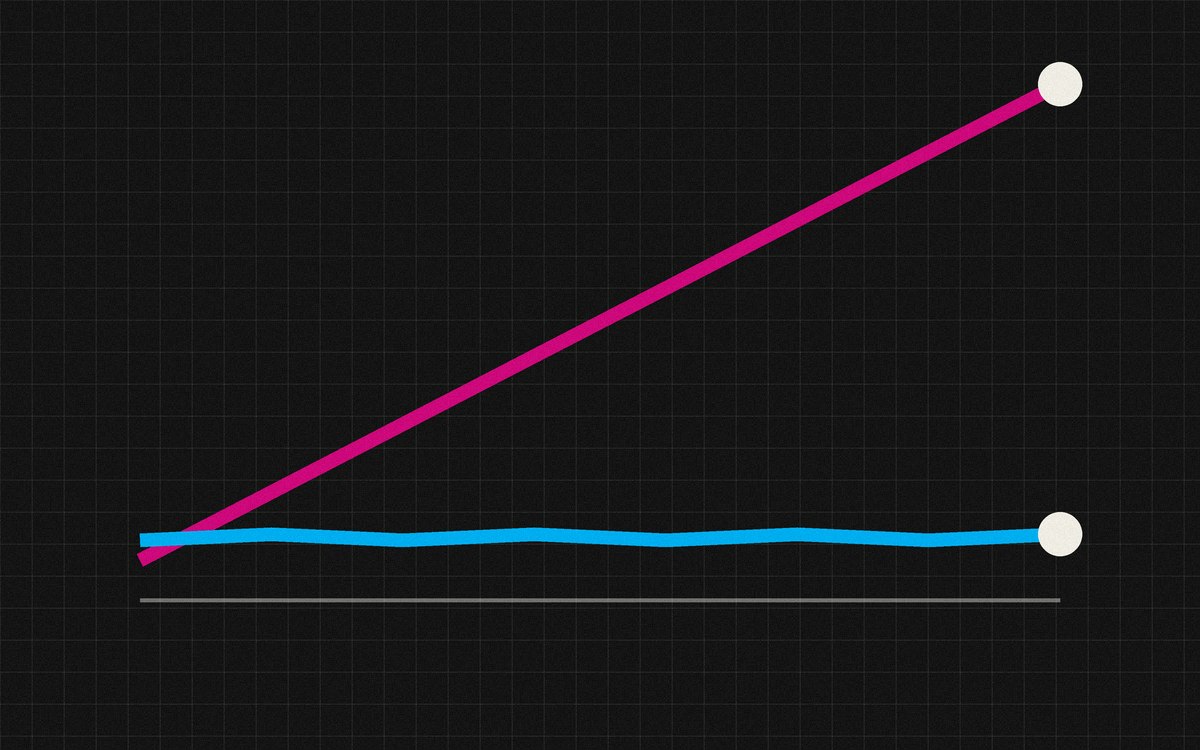
Ask people what has happened to design teams over the past two years and many will tell you they got smaller. The data tells a different story. Figma’s 2026 report found that the share of developers doing design work went from 44% to 60% in a single year, and that more than half of product teams have abandoned linear handoffs entirely.
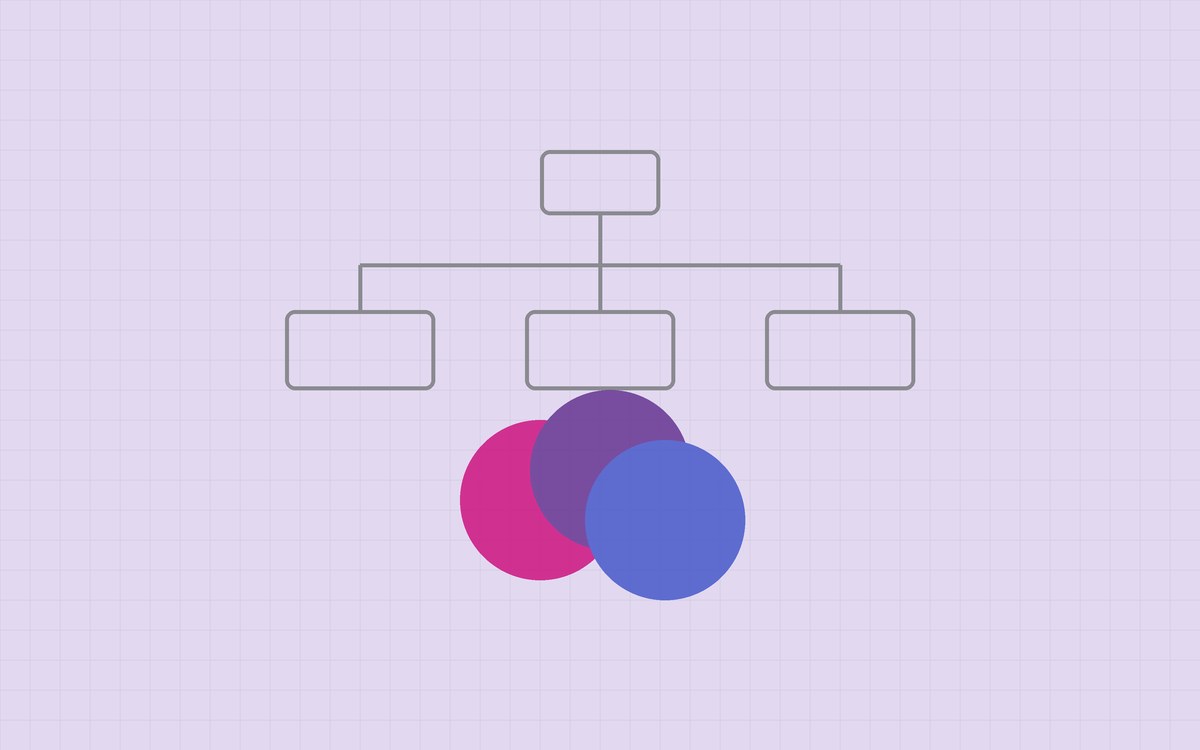
Design did not disappear. It spread. What changed is that the boundaries between teams dissolved, while the org chart stayed exactly where it was. Same roles, same reporting lines, same job descriptions, and completely different work happening underneath.
That mismatch is the real risk. The structure still assumes that design hands to engineering, that marketing waits for a finished product, and that someone in the middle keeps the story straight. In practice, everyone is now making, and nobody has been given the job of joining it up.
Why this matters for leaders
When anyone can produce convincing designs, copy or a prototype in an afternoon, the scarce skill is no longer making things. It is judgement: knowing what is worth making, and making sure the teams agree before they build. As production gets cheaper, the value of design moves from making to deciding.
There is a risk at the top too. AI can sharpen decisions, but leaning on it too heavily can weaken a leader’s own judgement. The answer is not to use less AI. It is to keep curiosity, challenge and dissent in the process, so the technology supports thinking instead of replacing it.
Two questions to ask this week
You can find out how far this has gone in your organisation without a survey or a workshop. Ask two questions in your next review.
- The provenance question. Take one AI-assisted deliverable and ask which part a person actually decided. If nobody can answer in five seconds, you have found the gap.
- Why, not just what. Ask for the reasoning behind the output. “Show me your reasoning” turns AI work into something a team can argue with, instead of something they either accept or bin.
What needs redesigning now
For a long time, our work was helping teams redesign products. It is becoming clear that what needs redesigning now is how the team works at all: who decides, where the handoffs went, and how three fast teams end up building one thing together.
Design has always been brought in too late to shape that, and AI has made the cost of that delay higher. We wrote about why in The real reason design gets brought in too late.