Set a decision deadline, then protect it
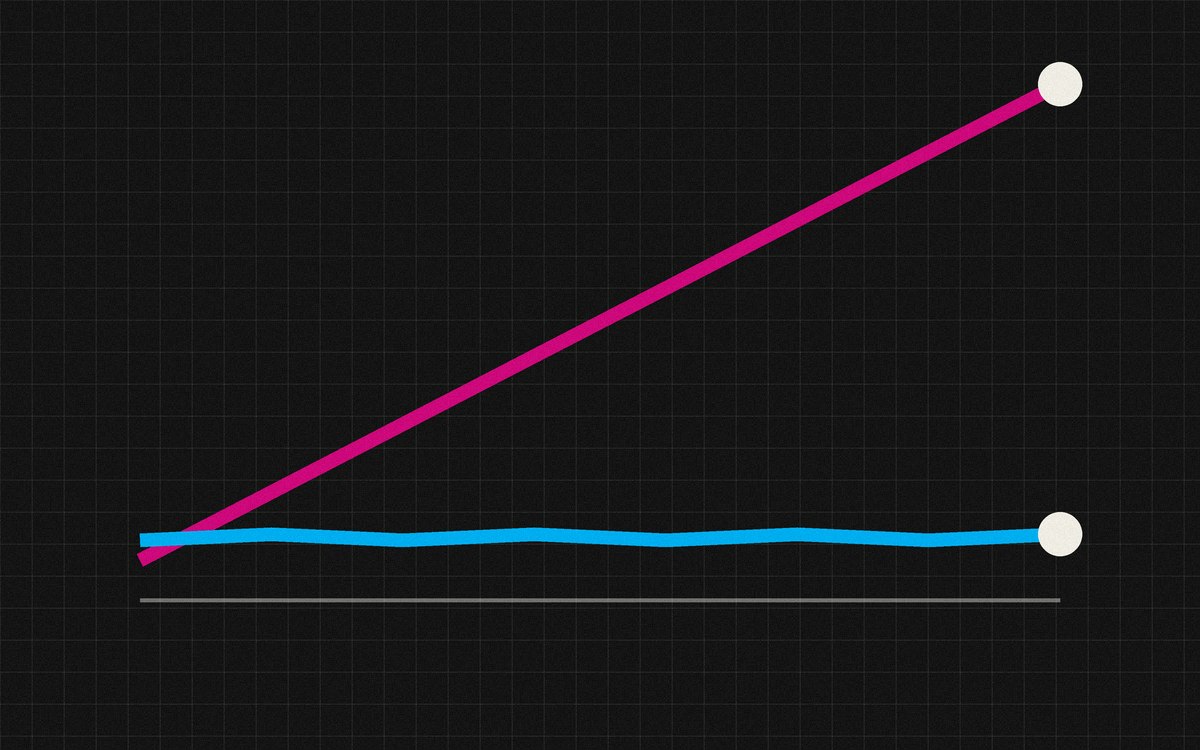
Slow decisions rarely show up in a budget, but they show up everywhere else. The cheapest fix we know is a date.
Some costs are easy to spot, like overspending or missed revenue. Others stay invisible until it is too late. Slow decision-making is one of the most expensive of these, and it is almost never tracked.
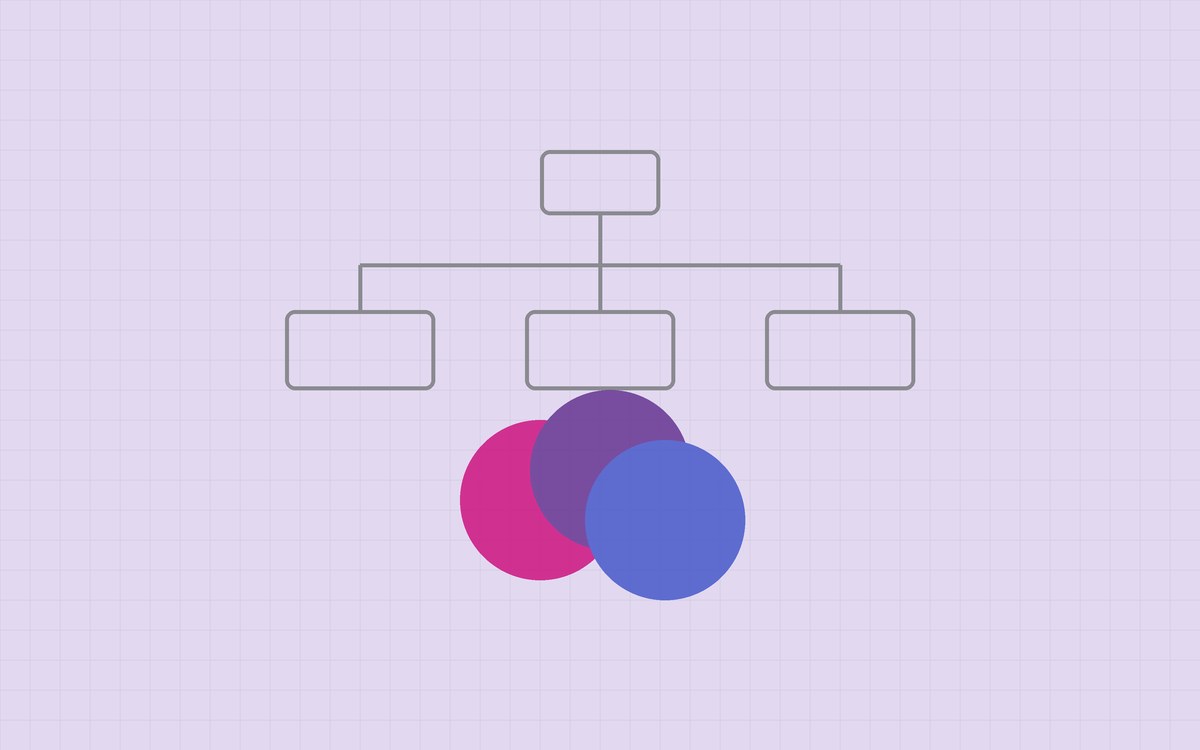
It is not caused by a lack of intelligence or ambition. It is caused by complexity: too many priorities, too many decks, too many meetings and not enough action. And its effects are everywhere: launches that slip, teams that burn out, and budget spent on the wrong thing, or on nothing at all. We looked at the wider cost in The high cost of slow decisions.
Without a deadline, teams drift
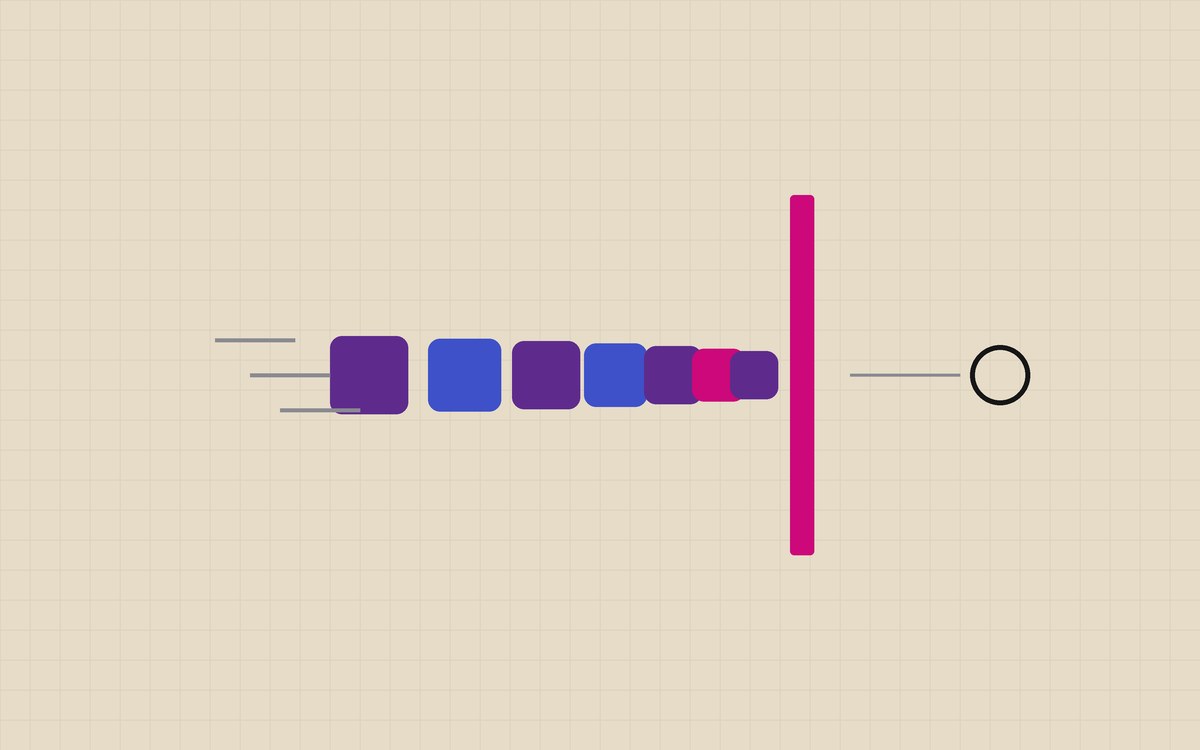
When there is no pressure to decide, meetings multiply, uncertainty spreads and energy fades. Everyone is waiting for one more piece of information, one more stakeholder, one more round of feedback.
When there is a clear decision deadline, even a soft one, something shifts. Priorities sharpen. Conversations get to the point. Trade-offs that were easy to avoid suddenly have to be made.
Whether you are running a full design sprint or a quick working session, anchoring the team to a decision point changes the tempo from passive discussion to active problem-solving.
How to set one
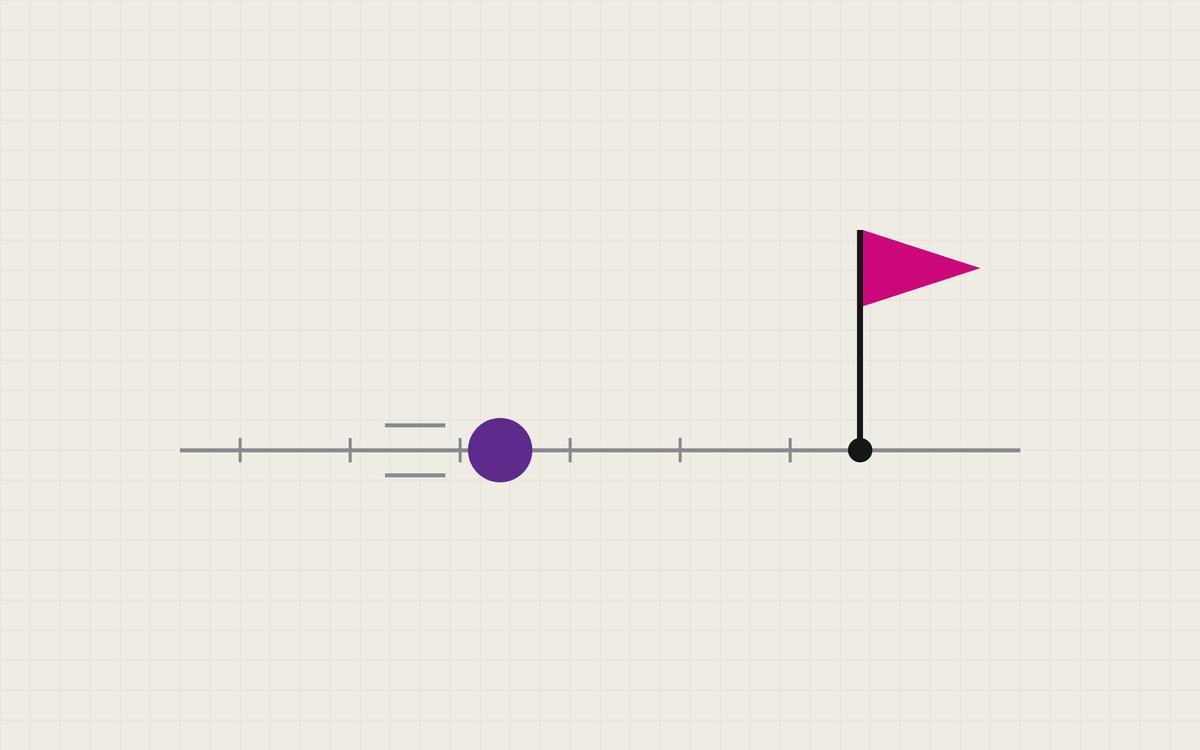
- Pick a date and a time. Not “by the end of the month”. A day and an hour, in the diary.
- Share it early, and keep repeating it. Everyone involved should know when the call will be made, and who will make it.
- Time-box the path to get there. A quick map of the problem, a round of ideas, a vote. Each step gets a fixed amount of time.
Not every decision needs the same speed
A useful distinction: some decisions can be undone, and some cannot. If you can easily change course later, decide fast and learn from what happens. If you cannot, slow down enough to get it right.
Many organisations treat every decision as if it can never be undone. That is why so many take months. Sorting decisions into these two groups is often enough to unblock half of them.
Timeboxes keep the room moving
The same principle works inside a single session. Every activity should have a clear start and finish. Without timeboxes, discussions stretch, energy drops and decisions drag. With them, the team finds a rhythm.
- Set a visible timer for every exercise. For example, five minutes to write alone, ten to share and fifteen to vote.
- Say it up front: “When the timer’s done, we move on.” It feels safe because everyone knows the rules, and fair because nobody can take over the clock.
- Be strict but light about it. “Thirty seconds left, capture your last thought” helps people wrap up without feeling cut off.
- If the group truly needs more time, add a short extension. That is better than letting it run on.
Set the limit, then move forward with what you have. Speed creates clarity.