You can’t cancel every meeting, but you can stop them wasting time
In large organisations and remote teams, getting rid of meetings is not realistic. Designing them properly is. A simple framework and three habits.
At DSX we are anti-meeting by default. Not because collaboration is bad, but because wasted time is.
In large organisations and remote teams, though, getting rid of meetings completely is not realistic. The corridor chats are gone. Quick clarifications do not happen by themselves. Someone has to get the right people talking, and that usually means a meeting.
So instead of trying to abolish meetings, the smarter move is to design them properly.
Signal and noise
Most teams are not held back by a lack of talent or ideas. They are held back by noise: meetings, shifting priorities and busywork that drain attention.
Signal is what actually moves the work forward: a sharp insight, a clear decision, a fast test, real evidence. A good meeting produces signal. A bad one produces another meeting. We wrote more about this in Signal over noise.
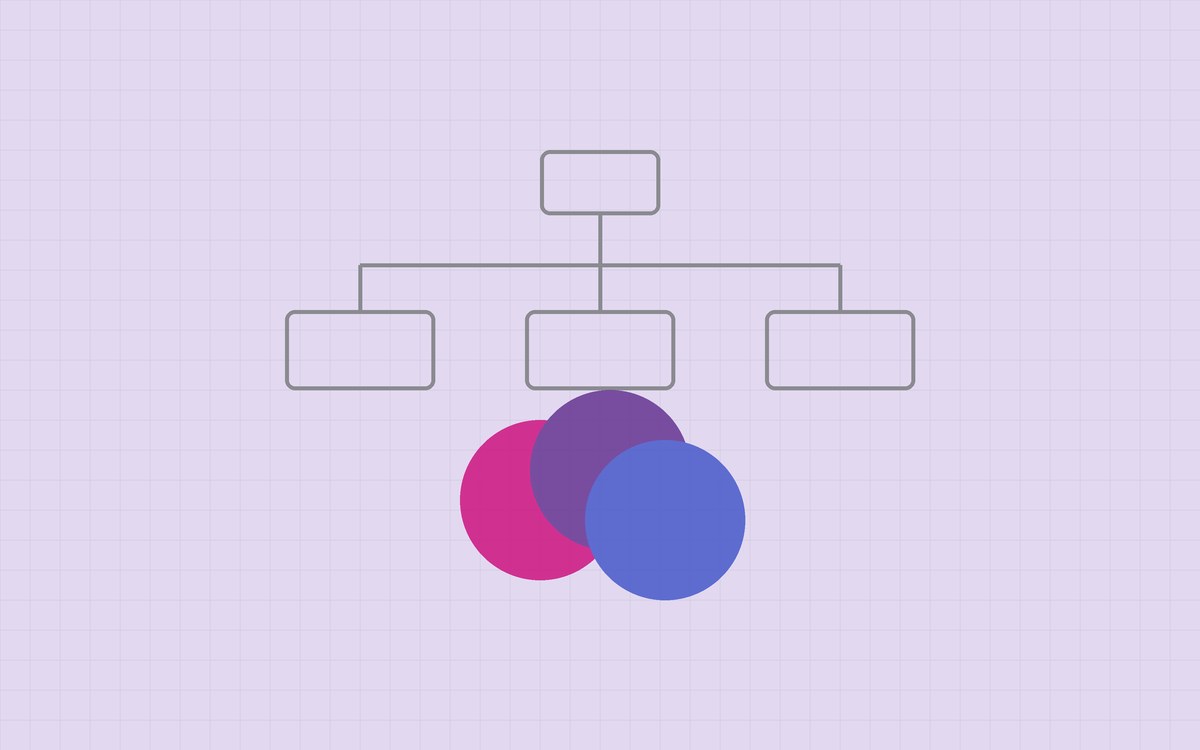
The 4 Cs of a meeting that works
When a meeting works, four things are usually in place:
- Context. Everyone knows why they are there and what is at stake.
- Content. The right material is in the room, prepared in advance.
- Congruency. The format fits the goal. A decision needs a different shape from a brainstorm.
- Continuity. It connects to what came before and leads somewhere after, with an owner and a next step.
Miss one and you can usually feel it. Miss two and the meeting will need a sequel. The goal is not fewer meetings at any cost. It is meetings that create clarity, ownership and momentum. The full framework is in The 4 Cs of good meetings.
Three habits worth stealing
- Run a meeting audit. Look back at the last two weeks of meetings. Which ones produced decisions? Which ones produced more meetings? The second list is where to start cutting.
- Name an owner every time. No meeting should end without a named decision-maker and a next action. If nobody can be named, the meeting was not needed.
- Work on one problem at a time. Pick the problem that matters today, not the one that feels most urgent. Protect a block of time for it, because even 45 focused minutes beats a scattered morning. Then finish with something concrete: a draft, a decision, a test or a next step.
That last habit comes straight from the design sprint. In a sprint, a team commits to one challenge and stays with it until it is defined, tested or decided. That focus is what creates momentum, and it works just as well on an ordinary Tuesday.
Start with people
Meetings work better when people show up as people. One idea we like, from Priya Parker in The Guardian, is to open with a single personal question before getting to work. It is a small change, and it makes the hour feel less like a status update and more like a team.