Most workshops don’t fail in the room. They fail the week after
The session goes well, everyone leaves buzzing, and nothing ships. The fix is not a better agenda. It is what happens before you book the room, and after everyone leaves.
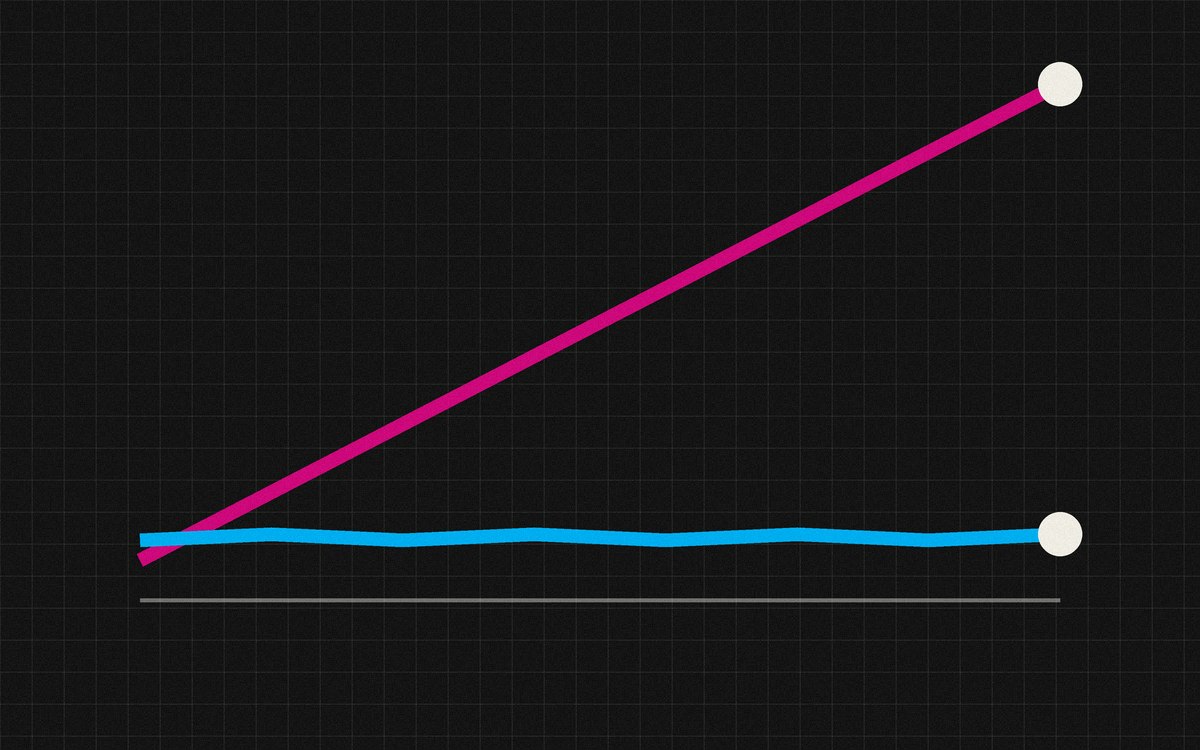
There is a comfortable myth in our industry: a good session is one where everyone leaves buzzing. The data says otherwise. In our 2026 design thinking survey, only 12% of teams said they reliably ship what their sessions produce.
Most teams are good at the workshop itself. The right people in the room, real customer conversations, a prototype on the wall. Then the session ends, and that is where it falls apart. No clear owner. No follow-up plan. No protected decision.
The energy fades over the weekend, everyone goes back to their inbox, and a brilliant piece of work becomes a whiteboard nobody opens again.
The bottleneck nobody talks about is not the workshop. It is the handover.
A structure problem, not a method problem
Every few months someone declares design thinking dead. We do not think it is. The principles (understanding people, bringing different views together, prototyping and testing) matter more than ever. What is failing is how many organisations use them. Teams stop at the thinking and never get to the doing. The ideas go into a backlog and stay there.
That is not a design thinking problem. It is a structure problem. A session ships when it is built around a decision, not a discussion. You can read what 100 practitioners told us about this in Is design thinking dead in 2026?
Before you book the room
Answer five questions before anyone sends a calendar invite:
- What decision does this session have to make?
- Who owns it?
- Who has the authority to say yes?
- What is the first action, and by when?
- How will we know it shipped?
If you cannot answer the first one, there is no workshop. Cancel it or reframe it.
In the room
- Keep the room small. Every extra person added “for visibility” brings another opinion and a slower decision. Invite the people needed to make and own the call. Everyone else gets the summary, not a seat.
- Decide before you leave. Not a list of next steps. A decision, with a name next to it.
The week after
This is where most of the value is won or lost, and it takes less effort than the session itself.
- Confirm the owner in writing, the same day.
- Book the follow-up before people leave the room, not after.
- Protect the decision. Anyone who wants to reopen it needs new evidence, not a new opinion.
- Share what you learned with the people who were not there, on a page rather than in a deck.
If you only keep one rule, keep this one: no session ends without a named decision-maker and a next action.
For the full checklist, read How to run a workshop that actually leads to outcomes, and for what comes after a sprint specifically, What to do after a design sprint.