What if you could map the next 10 years of your strategy on a single diagram?
The radar-arc roadmap: a simple way to turn a long-term vision into now, next and later, and get leadership behind it.
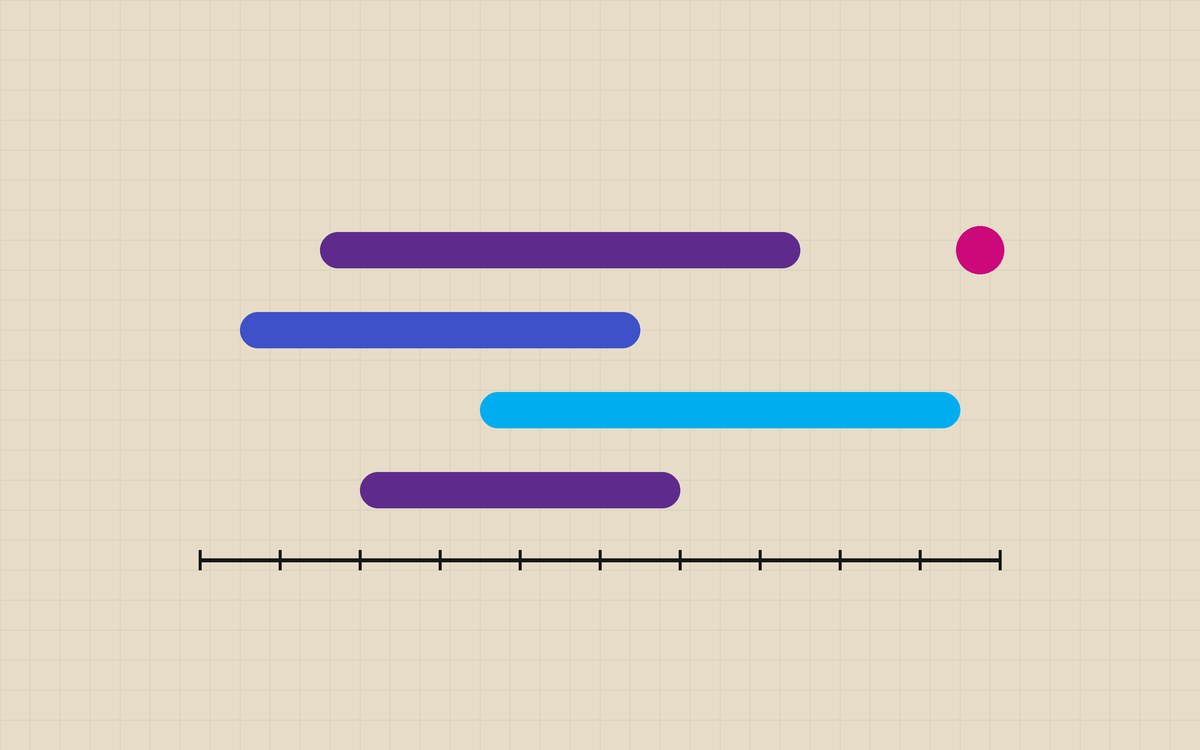
Most strategic plans are either too vague to be actionable or too detailed to inspire. What’s missing? A way to simplify complexity, track progress, and communicate priorities in a way that energises stakeholders.
That’s where radar-arc roadmaps come in. For one of the world’s leading beverage companies, this tool was a game-changer, helping leaders map out their vision for taking their brand global over the next decade during a strategic design sprint. By organising priorities into “Now,” “Next,” and “Later,” they created a clear, engaging story to guide decision-making and adapt to change.
But this roadmap didn’t just appear out of nowhere—it began with a clear vision and long-term goal. The radar-arc roadmap plots the strategic steps to achieve that goal, translating it into actionable, time-phased priorities. Through a 3- or 4-day design sprint workshop, teams can align on a shared vision and break down the journey into manageable, trackable phases.
The journey: how a design sprint leads to strategic clarity
Radar-arc roadmaps aren’t just a tool—they’re the culmination of a strategic design sprint. Here’s how the process unfolds:
Day 1: Establish a vision and define the goal
The sprint began by exploring how to take a leading beverage brand global. Participants clarified their long-term vision, identified barriers, and aligned on the key outcomes they wanted to achieve over the next decade. By the end of the day, they had:
- Established a clear vision for where they wanted to be in 5–10 years.
- Defined strategic challenges and opportunities for achieving that vision.
- Created “How Might We” (HMW) questions to reframe challenges into opportunities.
Day 2: Generate big ideas
With the goal clearly defined, teams brainstormed solutions. Lightning demos and creative exercises encouraged participants to look both within and beyond their industry for inspiration. The emphasis was on quantity and originality, allowing space for bold and creative thinking.
Day 3: Prioritise and sequence ideas
This is where the radar-arc roadmap began to take shape. Teams used prioritisation tools like impact-effort matrices and supervotes to identify the most promising ideas. These ideas were categorised into “Now” (immediate priorities), “Next” (short-term initiatives), and “Later” (long-term goals), ensuring a logical sequence of actions to achieve the vision.
Day 4: Build and refine the roadmap
The final day focused on alignment and storytelling. Teams refined their radar-arc diagrams to visualise the strategic steps needed to achieve their long-term goal. The roadmap clearly linked “Now” actions to “Later” transformations, creating a shared understanding among stakeholders and a living document to revisit and refine over time.
Why radar-arcs work
Radar-arc diagrams aren’t just visually appealing—they’re powerful tools for strategic clarity. Here’s why:
They anchor strategy in a vision
The radar-arc starts with a clearly defined vision and long-term goal. Each “Now,” “Next,” and “Later” action on the roadmap is tied back to achieving that vision, ensuring the strategy remains focused and aligned.
They track progress
By categorising actions into “Now,” “Next,” and “Later,” radar-arcs provide a clear sense of progress. Immediate actions are well-defined, while long-term goals remain flexible, allowing teams to adapt as new information emerges.
They tell a story
Radar-arcs visually connect short-term wins to long-term goals, making it easier to communicate strategy. Stakeholders see how today’s efforts contribute to future success, creating alignment and buy-in.
They embrace uncertainty
Long-term goals are often fuzzy by nature. Radar-arcs reflect this, encouraging teams to focus on what’s actionable now while leaving space to adapt future initiatives.
Real-world application: a leading beverage company
The challenge: Planning how to take a leading beverage brand global over the next 5–10 years.
The sprint approach:
- Defined “Now” actions to tackle immediate barriers to global expansion.
- Positioned “Next” actions to establish critical market footholds.
- Left “Later” actions flexible to respond to changing consumer demands globally.
The outcome: A clear, visually compelling radar-arc roadmap that aligned leadership and empowered teams to act with confidence.
Our 3- or 4-day design sprint workshop
This process works because it’s structured, time-boxed, and results-driven. Our 3- or 4-day strategy design sprint workshops are tailored to:
- Define a clear vision and goal. We work with teams to map out where they want to be in 5, 10, or even 15 years.
- Generate creative and actionable ideas. Teams brainstorm solutions to the biggest challenges standing in the way of that vision.
- Prioritise and sequence initiatives. Using frameworks like impact-effort mapping, we help teams identify high-value actions and structure them into “Now,” “Next,” and “Later.”
- Create a strategic roadmap. By the end of the workshop, teams leave with a radar-arc diagram that communicates their strategy and inspires action.
Tips for using radar-arcs in your strategic sprints
Want to use radar-arcs in your own design sprints? Here are a few tips to get started:
Start with a vision
Define your sprint goal and “How Might We” (HMW) questions carefully. This will ensure the final roadmap aligns with your strategic vision.
Iterate through mapping
Use brainstorming, expert interviews, and prioritisation exercises to categorise actions into “Now,” “Next,” and “Later.”
Use visual storytelling
Pair radar-arcs with prototypes or case studies to tell a compelling story that resonates with stakeholders.
Engage stakeholders early
Involve decision-makers throughout the sprint process to ensure alignment and buy-in for the final roadmap.
Treat the radar-arc as a living document
Revisit and refine the roadmap regularly as priorities shift and new opportunities emerge.
Conclusion
Radar-arc diagrams are more than just roadmaps—they’re tools for progress, storytelling, and strategic clarity. By integrating them into a structured design sprint workshop, you can transform complex challenges into actionable steps that inspire confidence and alignment across teams.